Buying guides · 14 November 2025
eSIM or physical SIM: what Ghanaian iPhone buyers need to know
Some iPhones take a SIM card, some take only eSIM, and a few take two cards. Here is which is which, where each comes from, and how eSIM works on MTN, Telecel and AT.
By iVillage Africa
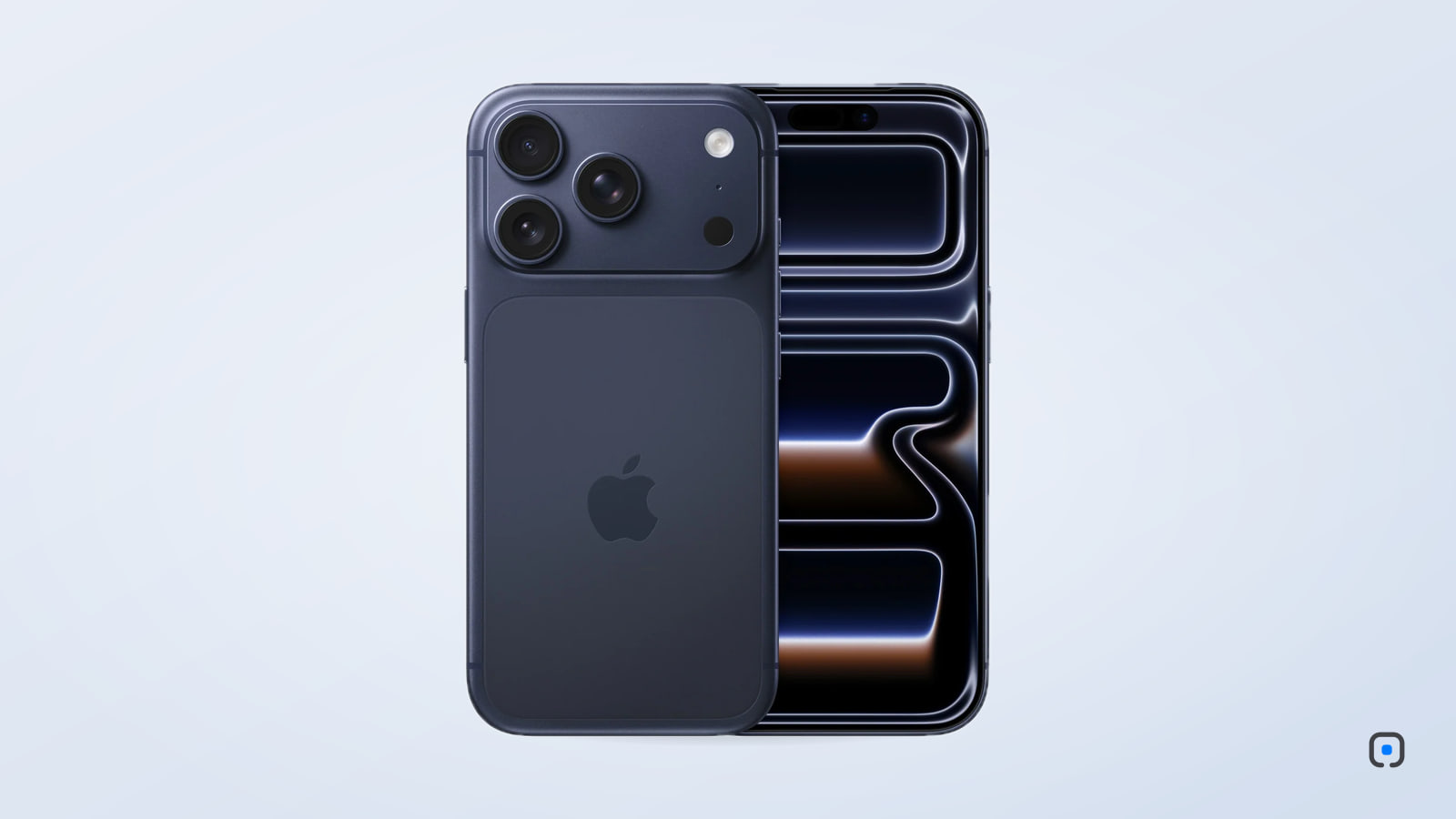
Kwame unboxes his new iPhone, turns it over, and goes looking for the little tray with the pin hole. There is none. For a moment he wonders if he has been sold half a phone. By the next afternoon his MTN number is running on it, and he never thinks about it again.
That moment is common now, because the same iPhone is built in different versions for different countries. Knowing which version you are holding saves a lot of confusion.
The three kinds of iPhone
Apple makes each current iPhone in up to three SIM arrangements. The phone looks the same from the front; the difference is the side edge and what happens inside.
1. One nano-SIM slot plus eSIM. This is the version most of the world gets: Europe, the UK, Australia, most of Asia and Africa. You can put a normal SIM card in the tray and also add one or more eSIMs, with two lines active at once.
2. eSIM only. No tray at all. Apple started this with iPhone 14 in the United States in 2022. With the iPhone 17 family in September 2025, the list grew: iPhone 17, iPhone 17 Pro and iPhone 17 Pro Max are eSIM-only in the United States, Canada, Mexico, Japan, Saudi Arabia, the UAE, Qatar, Kuwait, Bahrain, Oman, Guam and the US Virgin Islands. Apple used the freed space for a larger battery. iPhone Air is eSIM-only in every country, with no SIM tray anywhere.
3. Two physical nano-SIM slots. Models sold in mainland China, Hong Kong and Macau have a tray that holds two SIM cards back to back. The exception is iPhone Air, which is eSIM-only there too.
If you are buying from anyone, ask which market the phone was made for. The model number under Settings > General > About will tell you, and a good seller will tell you before you pay.
What eSIM actually is
An eSIM is a SIM card built into the phone as a chip. Instead of cutting and inserting plastic, your network sends the phone a digital profile, usually through a QR code or an app. The phone can store several of these and keep two active at the same time, so dual-SIM life (a work line and a personal line, or MTN for data and Telecel for calls) still works.
You can check whether a phone supports it by dialling *#06#. If an EID number appears, it takes eSIM.
Does it work in Ghana?
Yes. All three networks offer eSIM, though each does it differently.
- MTN Ghana lets you request an eSIM in the MyMTN app (under More, then Get E-Sim), and says requests are processed within about 48 hours. You can also go to an MTN service centre.
- Telecel Ghana asks you to visit a Telecel retail or community store for verification and biometric capture. After approval, the activation QR code is emailed to you. The same route converts an existing physical SIM to eSIM.
- AT (formerly AirtelTigo) was the first Ghanaian network to offer eSIM, in 2022, through its customer service centres and online.
Take your Ghana Card, as the SIM registration rules apply to eSIM exactly as they do to plastic. Your number, your Mobile Money wallet and your bundles stay the same; only the way the phone holds the line changes.
Moving your number to a new phone
When you change iPhones, iOS can often move an eSIM across during setup, if your network supports the transfer. In Ghana, the reliable path is still to ask your network: MTN through the app or a service centre, Telecel and AT in store. Plan it for a weekday, not a Sunday evening before a trip.
One tip that avoids headaches: before you reset or give away an old phone, make sure the line has moved. Deleting an eSIM from a phone does not cancel your number, but you will need the network to reissue it.
Travelling
This is where eSIM shines. Landing in London, Lagos or Dubai, you can buy a local or travel eSIM online, scan a code, and have data before you reach passport control, while your Ghana line stays on the phone for calls and MoMo codes. With a physical SIM, you would be swapping tiny cards in an airport queue.
If you lose the phone
This worries people most, and it is actually a point in eSIM's favour. A thief cannot pull an eSIM out and put your number in another phone. Call your network, have the line blocked, and when you have a replacement phone, visit them with your Ghana Card to have a new eSIM issued to it. Turn on Find My and a passcode, and a lost iPhone is of very little use to anyone else.
At iVillage
Our iPhones are US models, so as standard they are eSIM-only. For most people that is the better phone: a slightly larger battery, and nothing to lose or bend. If you would rather keep a SIM card, most of our iPhones can be ordered in a Physical SIM version, which costs more; you choose it on the product page. iPhone Air is the exception, since it is eSIM-only everywhere. Our genuine products page explains where our stock comes from.
If you are not sure which suits you, message us before you order and we will talk it through.
Comments
No comments yet — be the first.
Sign in to join the conversation. You can comment under your name or anonymously.